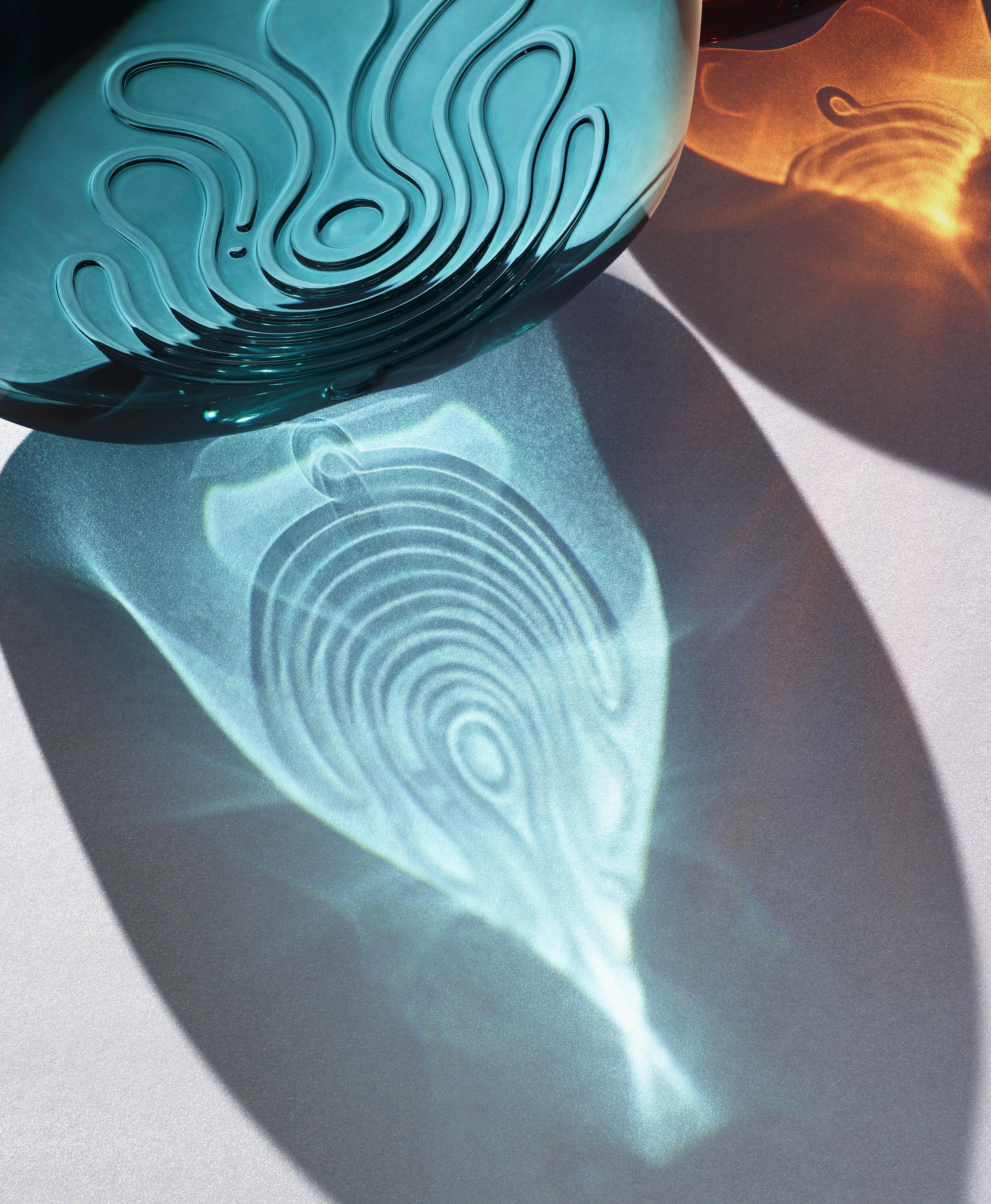
Close-up of Puig Colonias Absolutas fragrance bottles casting colorful reflections and abstract light patterns.

Colonias Absolutas Puig • A tribute to Puig, its identity, legacy, and mediterranean roots.

Shop now

Colonias Absolutas Puig is an act of gratitude. A way of honoring Antonio Puig, the founder, the family’s heritage, and all those who have brought the company to where it is today. It is also a gesture toward the future, a reminder that true modernity lies not in excess or speed, but in creating from calm, with beauty, and for permanence.

"Fragrance is our expertise and our raison d'être.”— Antonio Puig, Founder of Puig.

Colonias Absolutas Puig is a collection of Eaux de Cologne, created by Puig as a tribute to its origins, to the mediterranean culture of fragrances, and to the very history of Puig and its founding family.

There is a moment when being truly modern means returning to the essential. The Eaux de Cologne have always been a pure form of perfumery and, for Puig, represent the starting point of the journey.

"We thought it was honest and correct to be coherent with our origins and to put in dignity what we have received." - Manuel Puig

Timeless, elegant, and deeply sensorial, the Colonias Absolutas Puig collection embodies Puig's identity: a creative spirit, mediterranean roots, and enduring craftsmanship.

The four Puig absolute colognes displayed in colored glass bottles on a windowsill with the sea in the background.
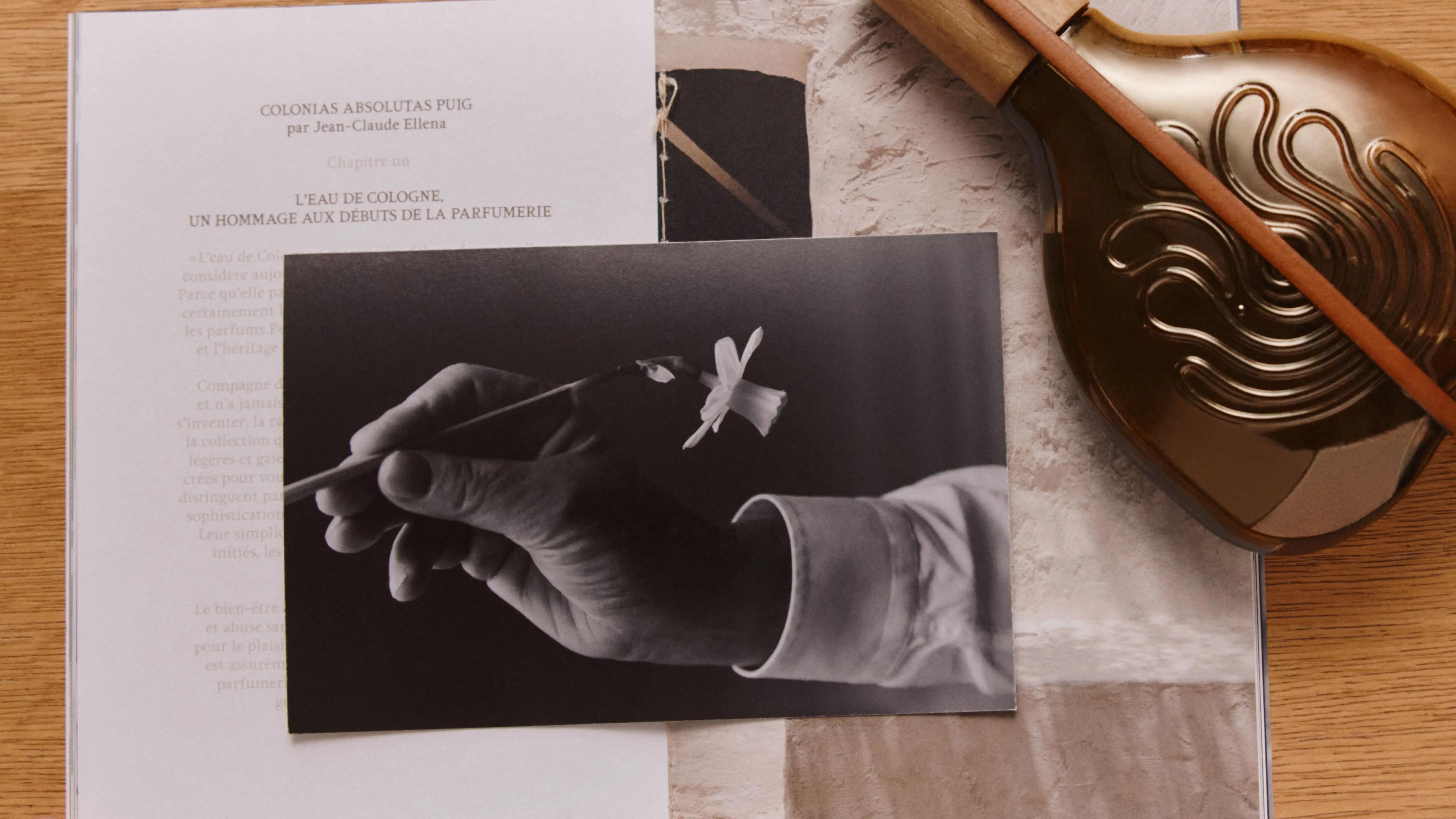
Puig Colonias Absolutas fragrance bottle displayed alongside an open book and a black-and-white image of a hand holding a flower.

Colonias Absolutas Puig

Slow, beautiful and forever

Play the video

The Mediterranean

The Mediterranean is a garden that whispers stories, awakens timeless scents, and unveils boundless horizons. It is here that Puig’s roots first took hold, when Antonio Puig founded the company bearing his name in 1914.

Agua Lavanda Puig, born in the 1940s, embodies this heritage—a delicate harmony crafted by adapting Segal’s formula and infusing it with the essence of lavender, capturing the very soul of the Mediterranean. Then, in 1968, Agua Brava rose as a fragrant tribute to this vibrant region, weaving together a rich tapestry of powerful lichens, lavender, thyme, sage, and wild mint, a scent that evokes both strength and serenity, echoing the spirit of the Mediterranean breeze.

By reinterpreting Agua Lavanda and Agua Brava, two iconic Puig creations, the company pays tribute not only to its heritage but also to a cornerstone of perfumery—colognes—and to its birthplace.

A collection capturing the very soul of the Mediterranean: its discreet hedonism, timeless charm, and art of living, created from the nobility of raw materials and refined simplicity.

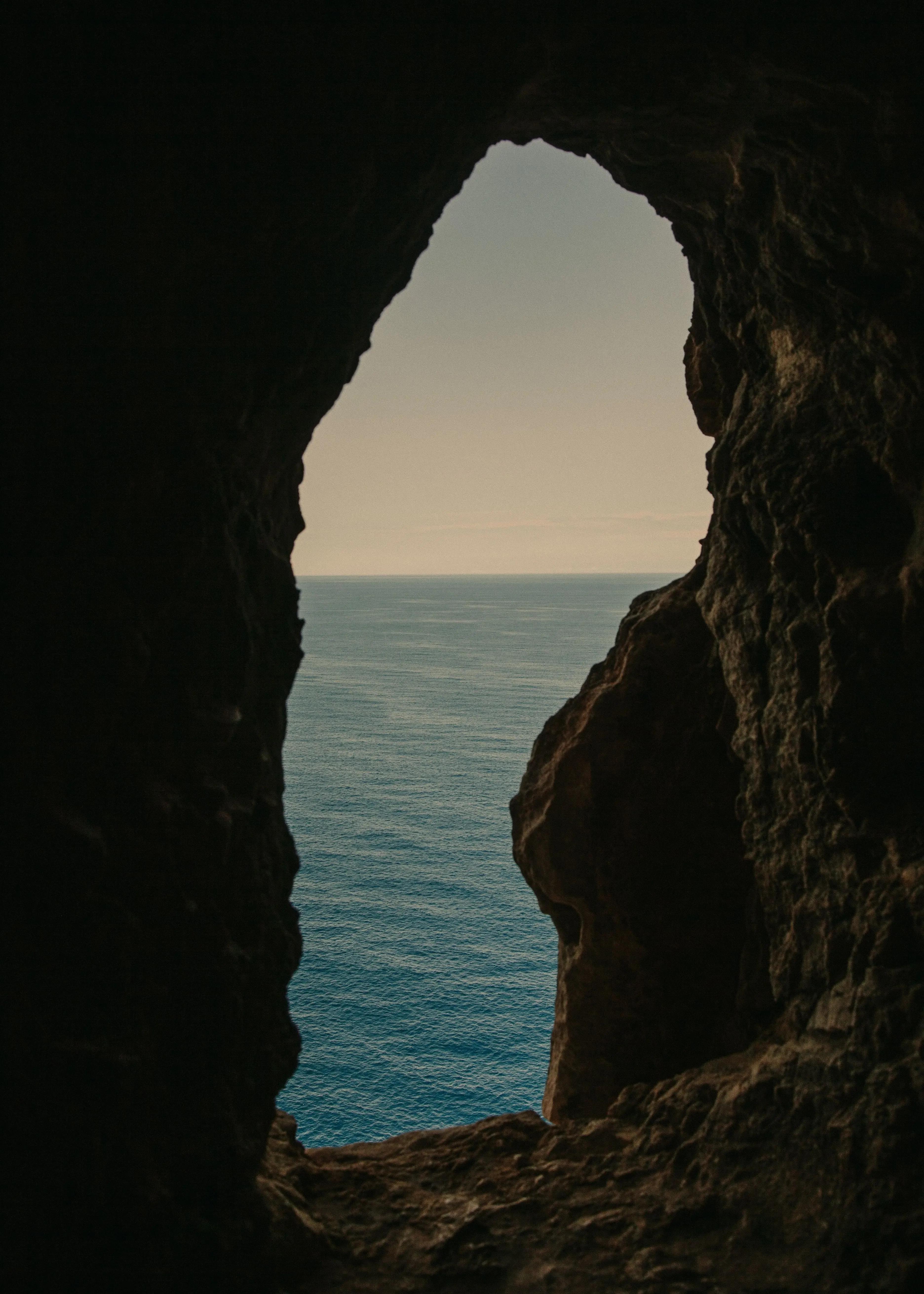
View of the Mediterranean Sea framed by the rocky opening of a coastal cave.

Four compositions, a single excellence in fragrance

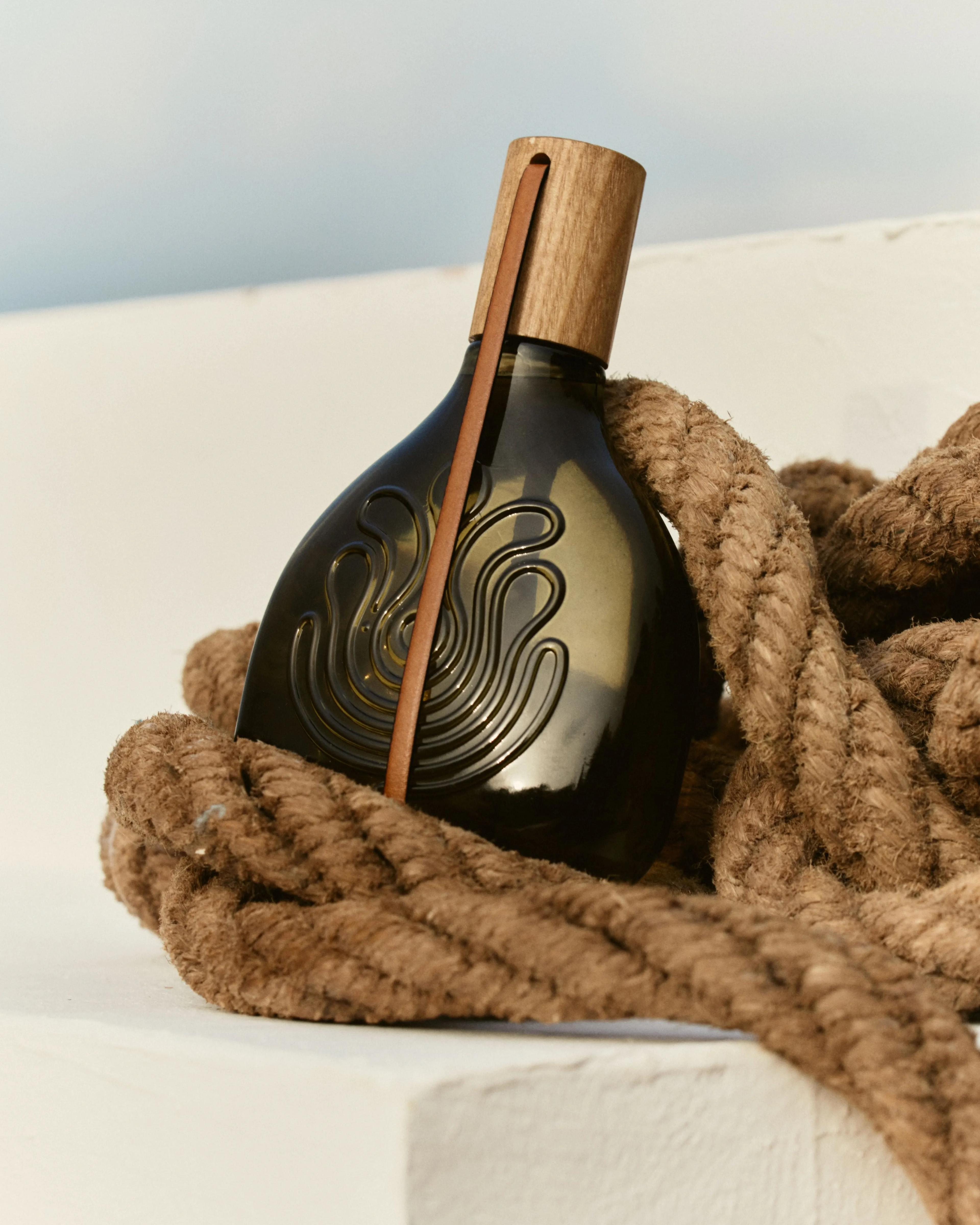
  • Agua Brava fragrance bottle by Puig displayed among thick rope, with a light blue background.

    Agua Brava

    A timeless mediterranean icon with deeper woods and aromatic intensity.

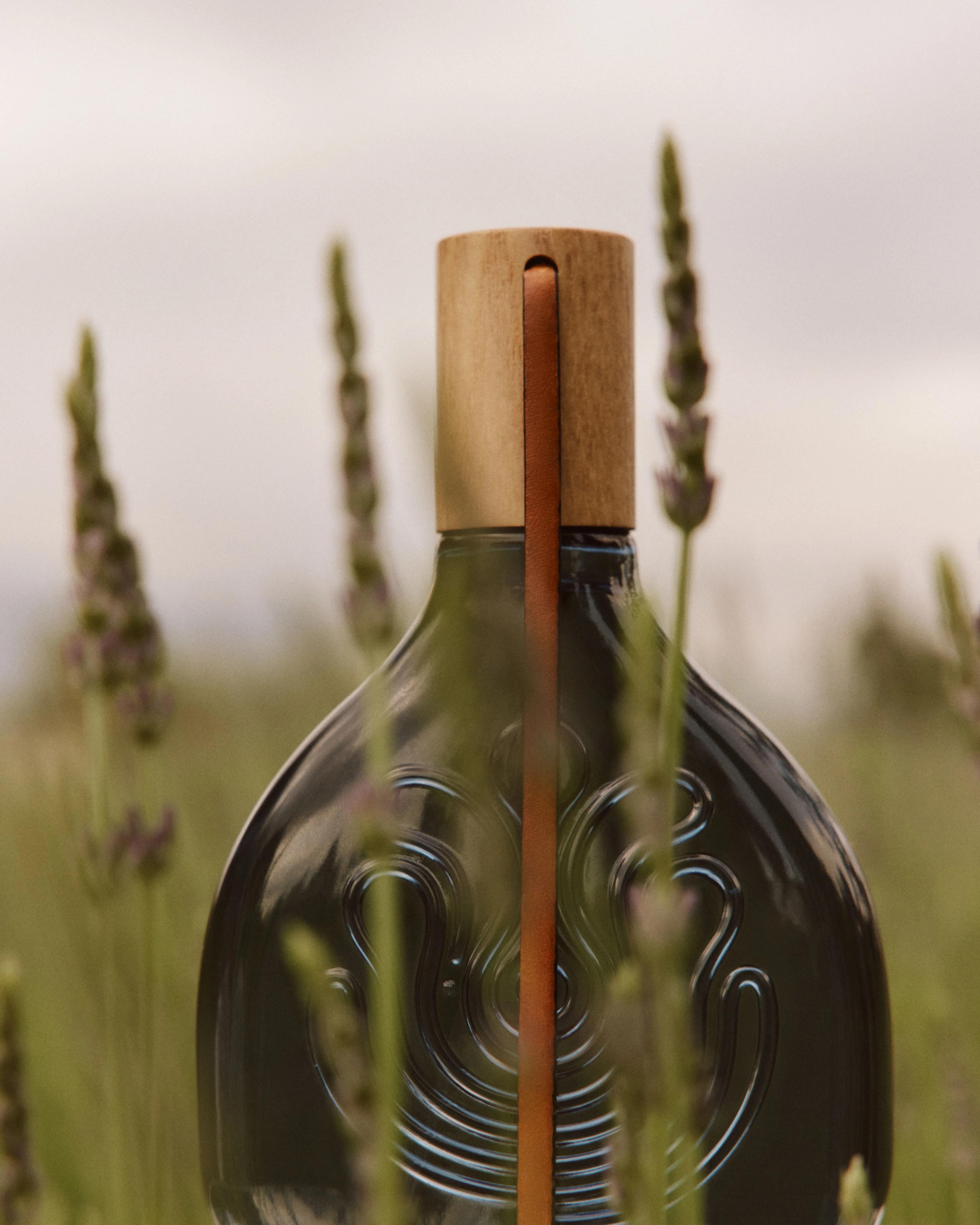
  • Agua Lavanda fragrance bottle by Puig shown among lavender plants, with a soft natural background.

    Agua Lavanda Iris

    A refined contrast between popular lavender and the noble elegance of iris.

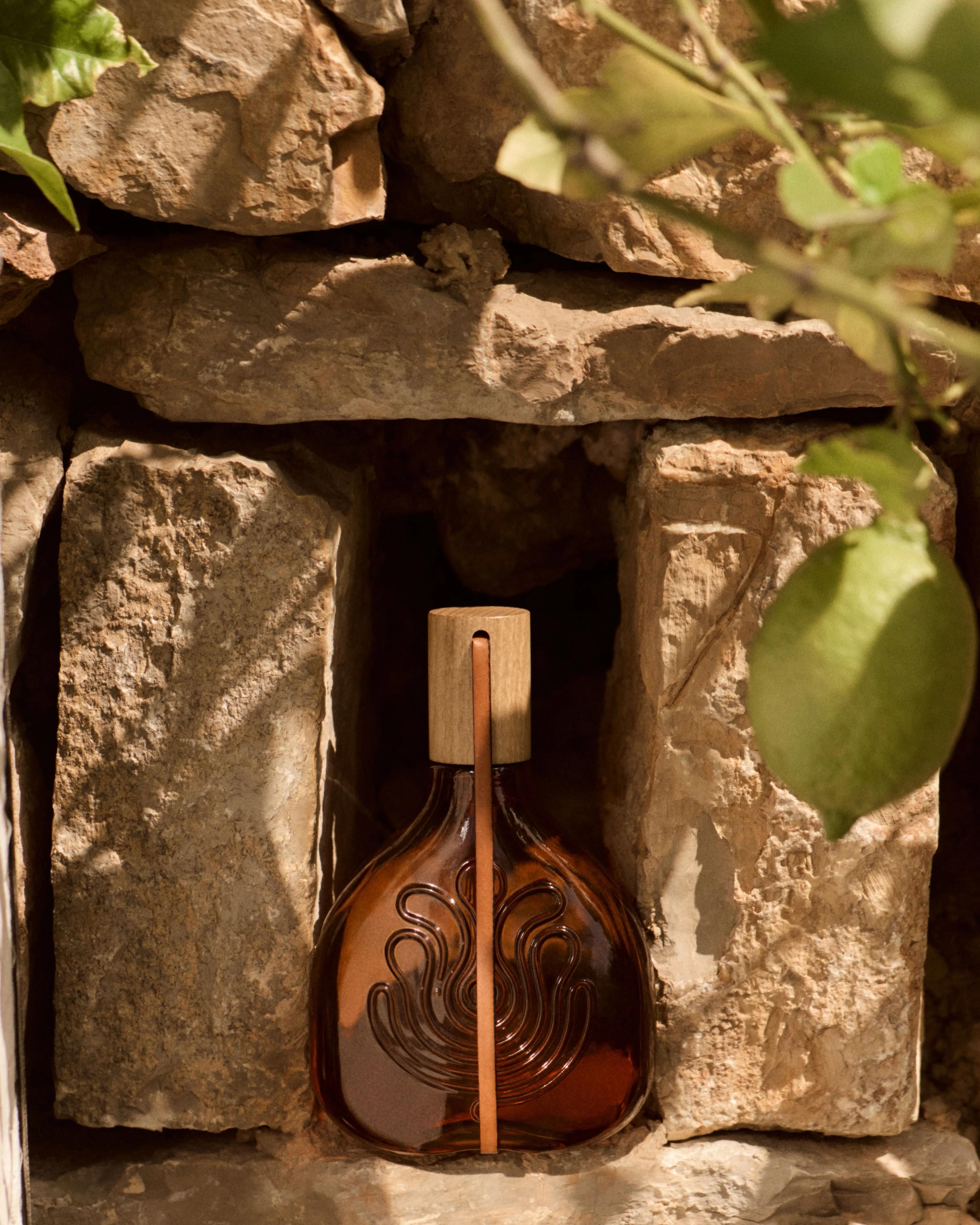
  • Agua Noble fragrance bottle by Puig displayed among stone blocks and greenery.

    Agua Noble

    An orange blossom and Andalusian leather cologne shaped by mediterranean light.

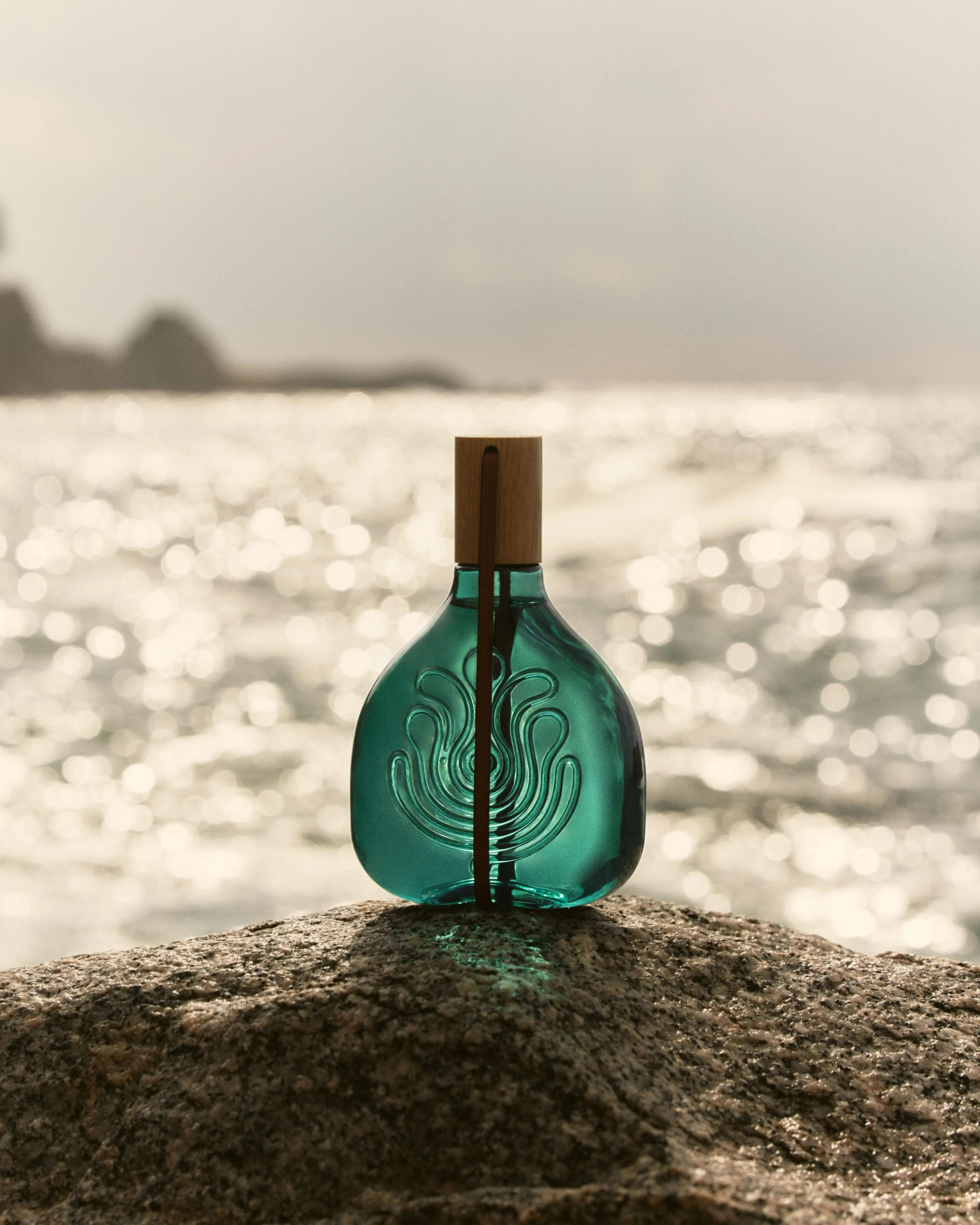
  • Puig Agua Mediterránea fragrance bottle in green glass with a wooden cap, displayed on a rock by the Mediterranean Sea.

    Agua Mediterránea

    A fresh and leafy portrait of the Mediterranean, built around fig, mint and sunlit air.

Behind the Scents

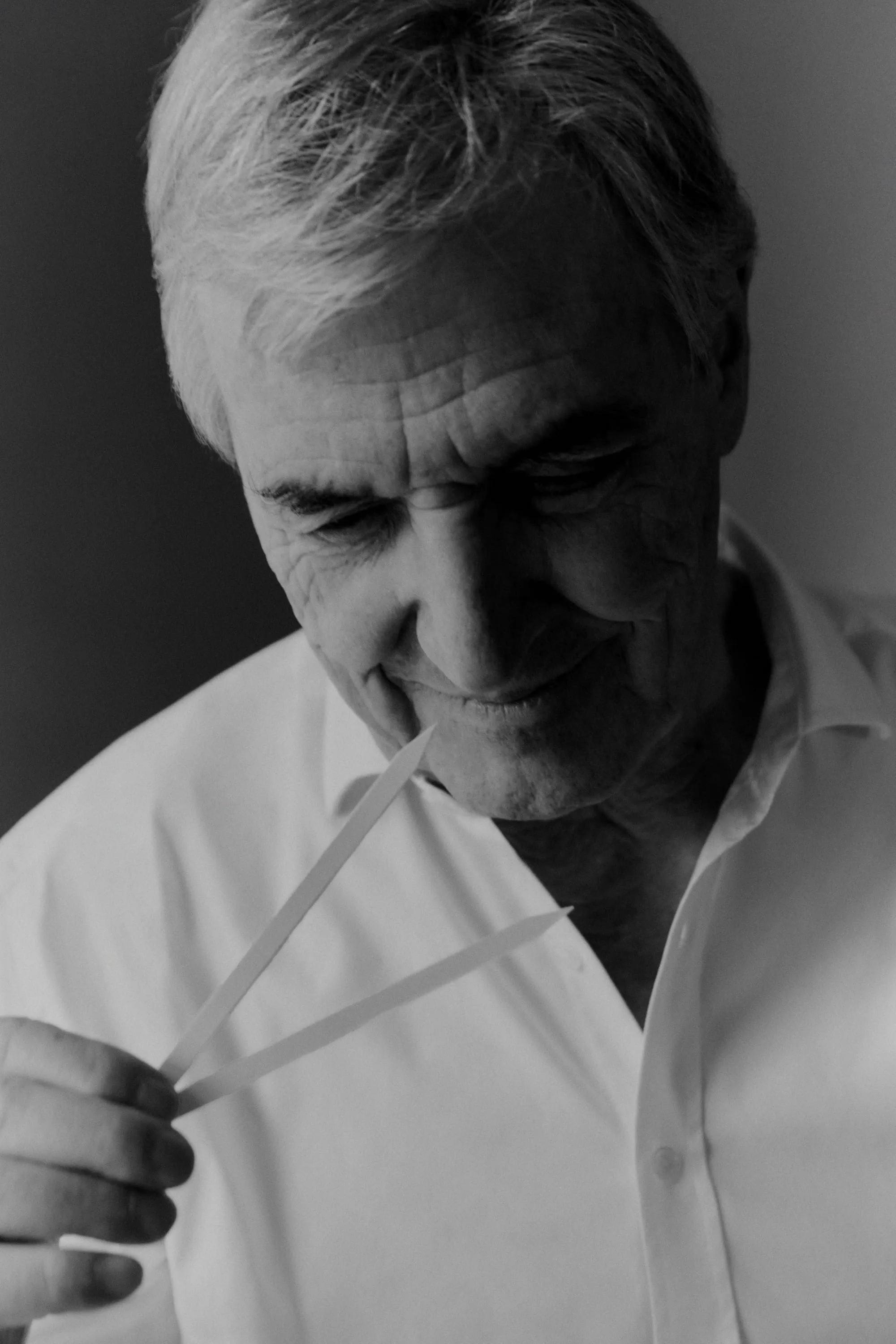
Born in 1947, to a perfumer father, Jean-Claude Ellena began his apprenticeship at the young age of 16, before entering to the Givaudan perfumery school in 1968.

After achieving numerous successes with his creations, he became the exclusive perfumer for the house of Hermès where he remained for 14 years. Since then, he has been an independent perfumer composer.

Jean-Claude works with a limited selection of ingredients. The simplicity of their precise measurements is paradoxically complex, allowing him to craft something surprising that transcends fashions and trends, while remaining easy to recognize and remember.

"To create and to do and redo. That is the work of an artisan, perfection. I work with few ingredients but they must be of the highest quality. "

Black-and-white portrait of perfumer Jean-Claude Ellena smelling fragrance blotter strips.

A design with memory

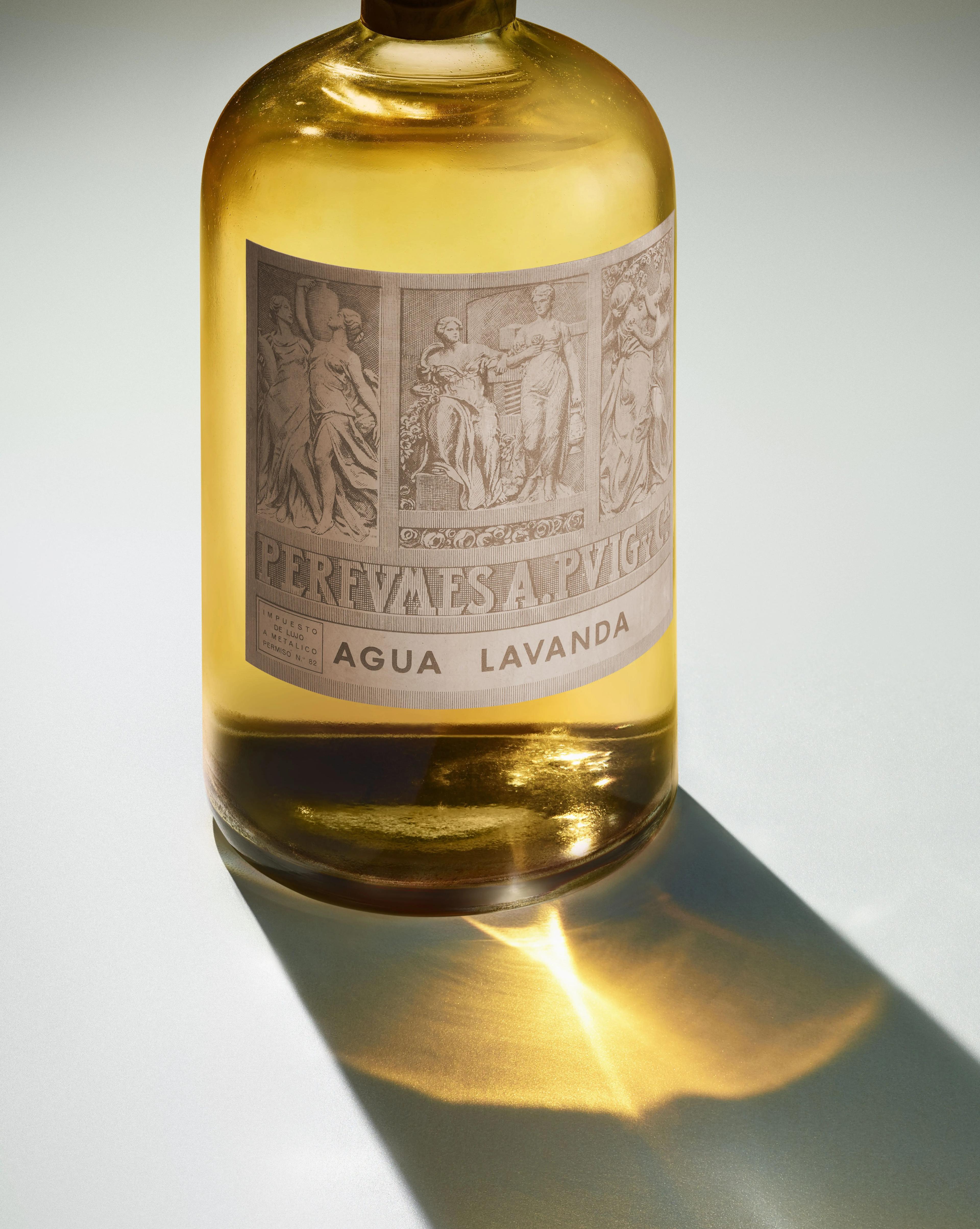
  • Close-up of a vintage Puig Agua Lavanda fragrance bottle with an illustrated label, illuminated by warm light.
    The Origins: Agua Lavanda, 1940

    Agua Lavanda was born in a simple glass bottle adorned with a large front label and the classic nymph logo. A modest beginning for a fragrance that would become an icon of mediterranean elegance.
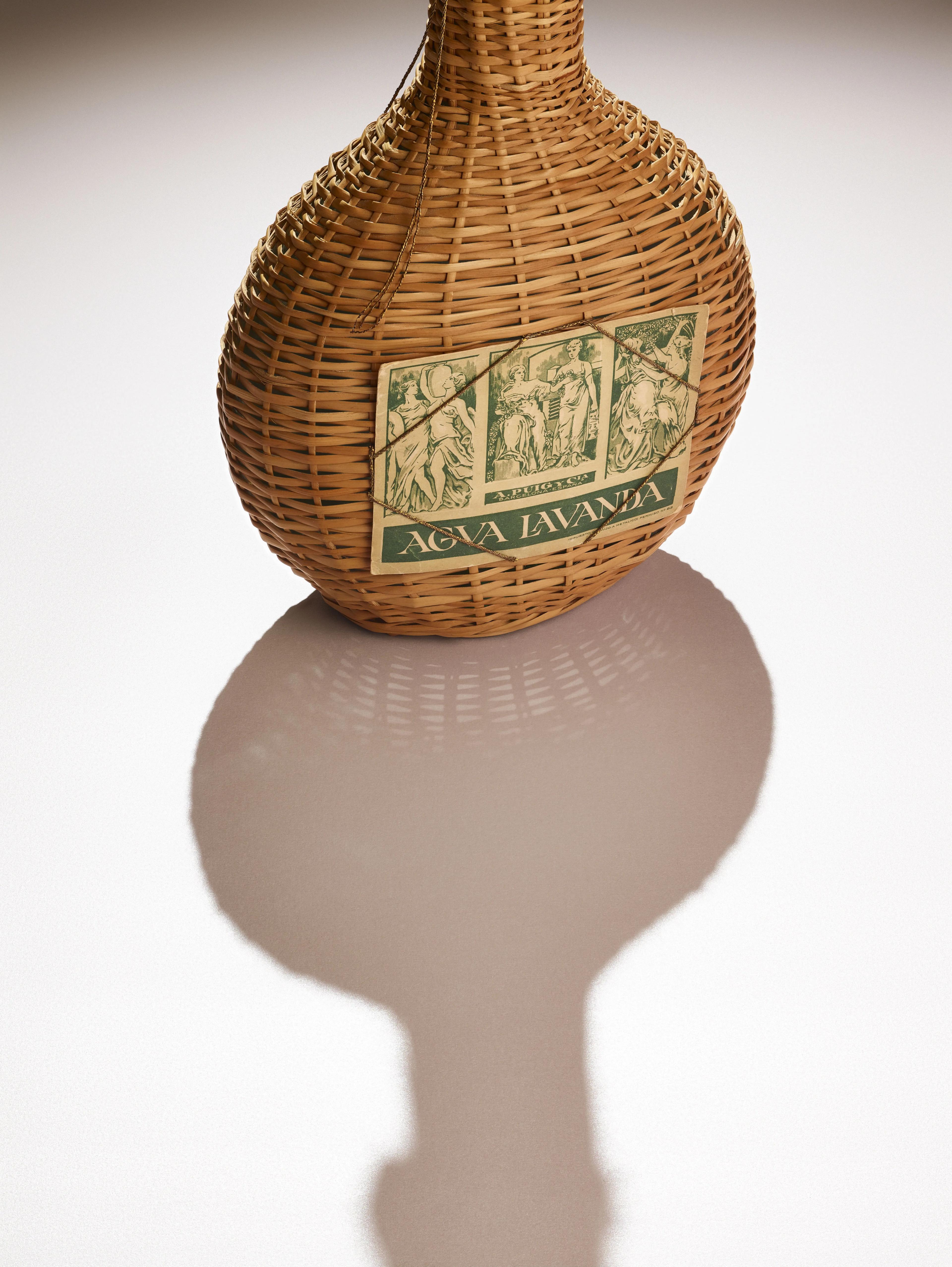
  • Vintage Puig Agua Lavanda bottle covered in woven wicker, featuring an illustrated label and casting a large shadow.
    The Balearic Jar, 1958

    In 1958, to emphasize its mediterranean character that would stand out in a market dominated by French brands, Puig experimented with small, chestnut-shaped wicker jugs inspired by traditional Balearic baskets. The design was warmly received in the United States, and to meet growing demand, Puig adapted the concept, giving rise to the iconic Barcelona Bottle.
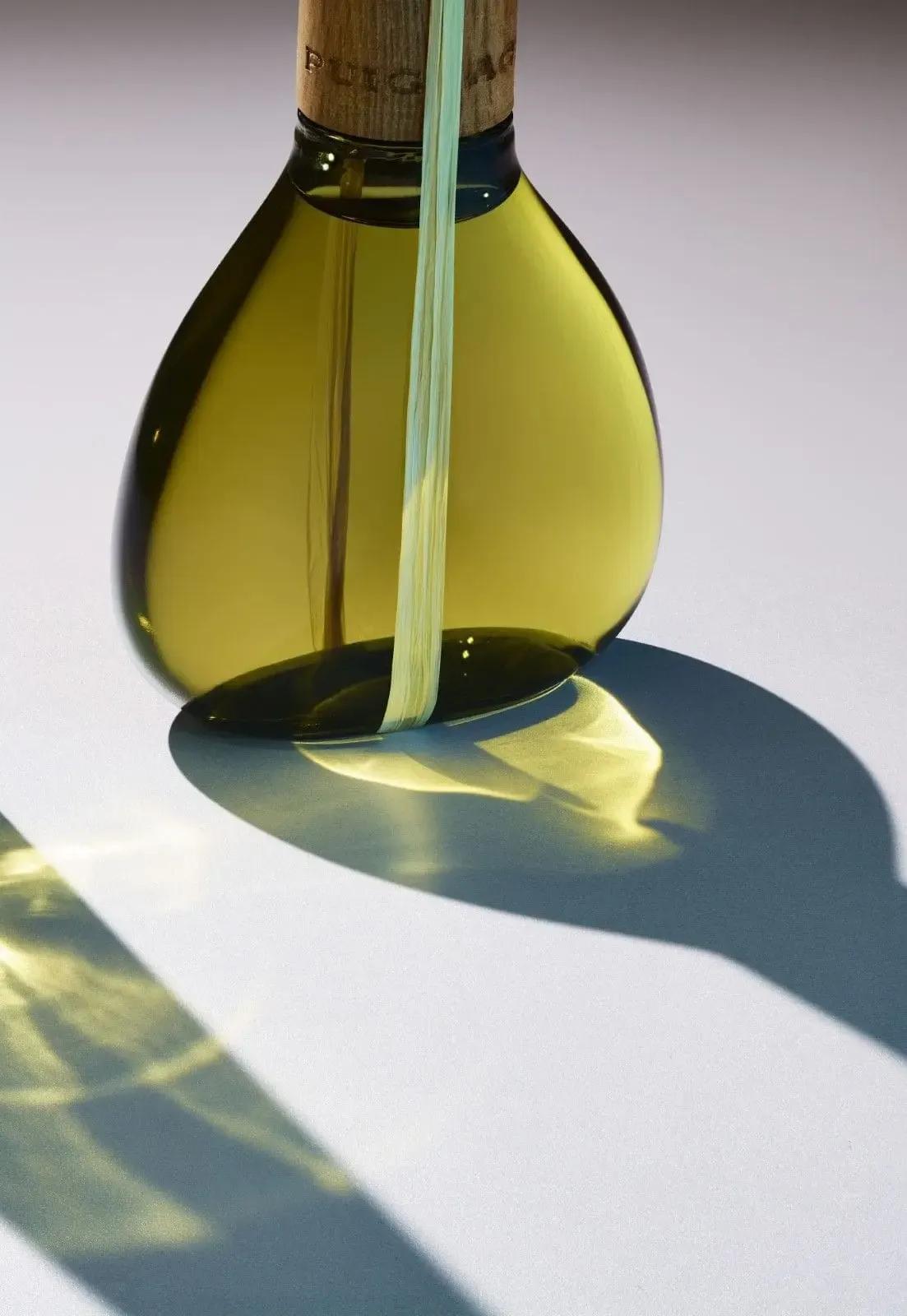
  • Redesigned Puig Agua Lavanda Barcelona fragrance bottle in green glass with a wooden cap and vertical ribbon detail.
    The Barcelona Bottle, 1962

    In the 1950s, renowned Catalan designer André Ricard collaborated with Antonio Puig, one of the founder’s sons. Their work gave rise to the Puig logo and the redesigned Agua Lavanda bottle, famously known as the Barcelona Bottle, launched in 1962. The Barcelona Bottle received widespread acclaim and remained in use for decades.
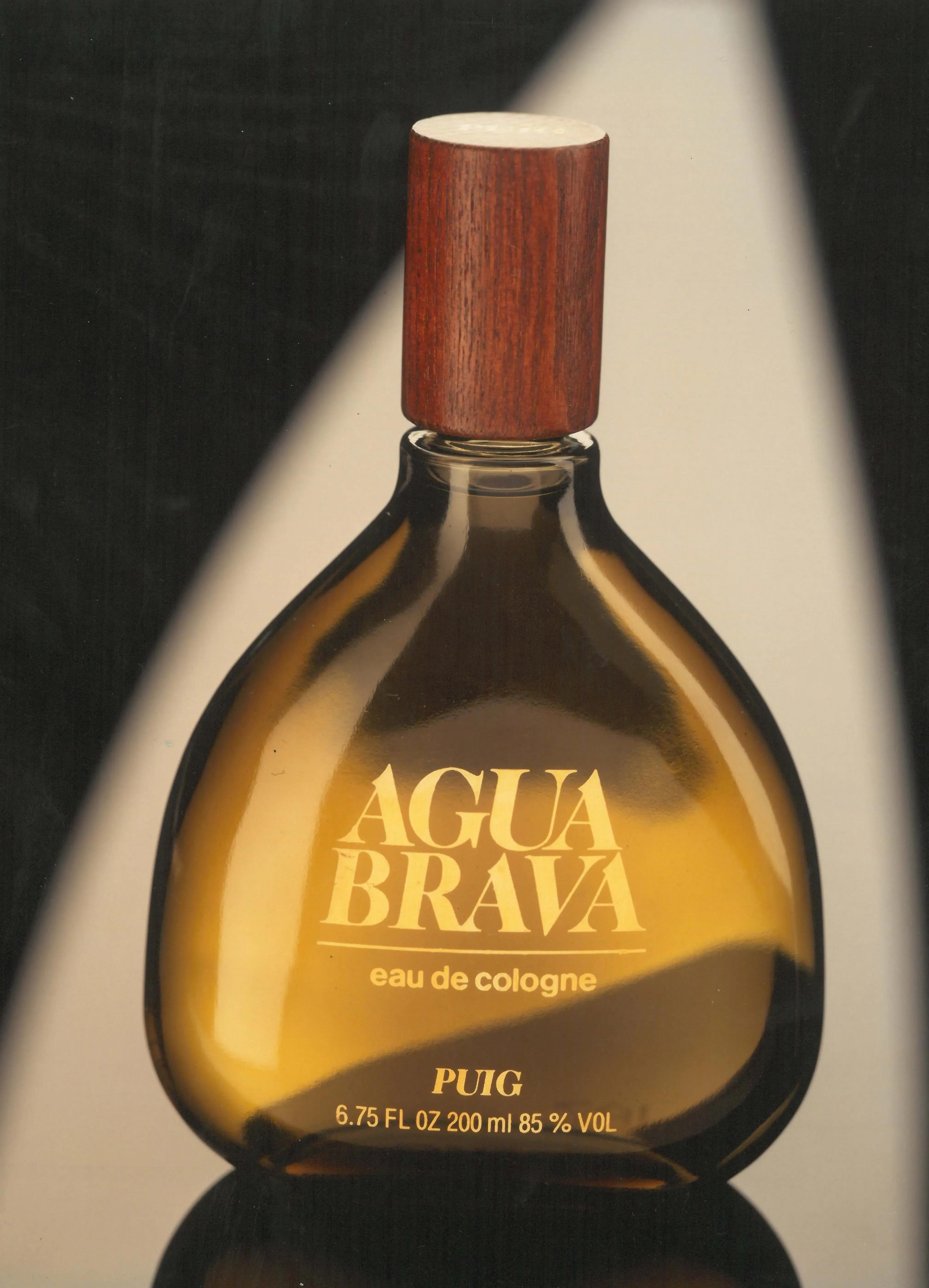
  • Vintage Puig Agua Brava eau de cologne bottle in amber glass with a wooden cap.
    The iconic Agua Brava, 1968

    In 1968, Puig launched the men’s fragrance Agua Brava, which set the benchmark for mediterranean men’s eau de cologne and became an icon of Spanish perfume design.
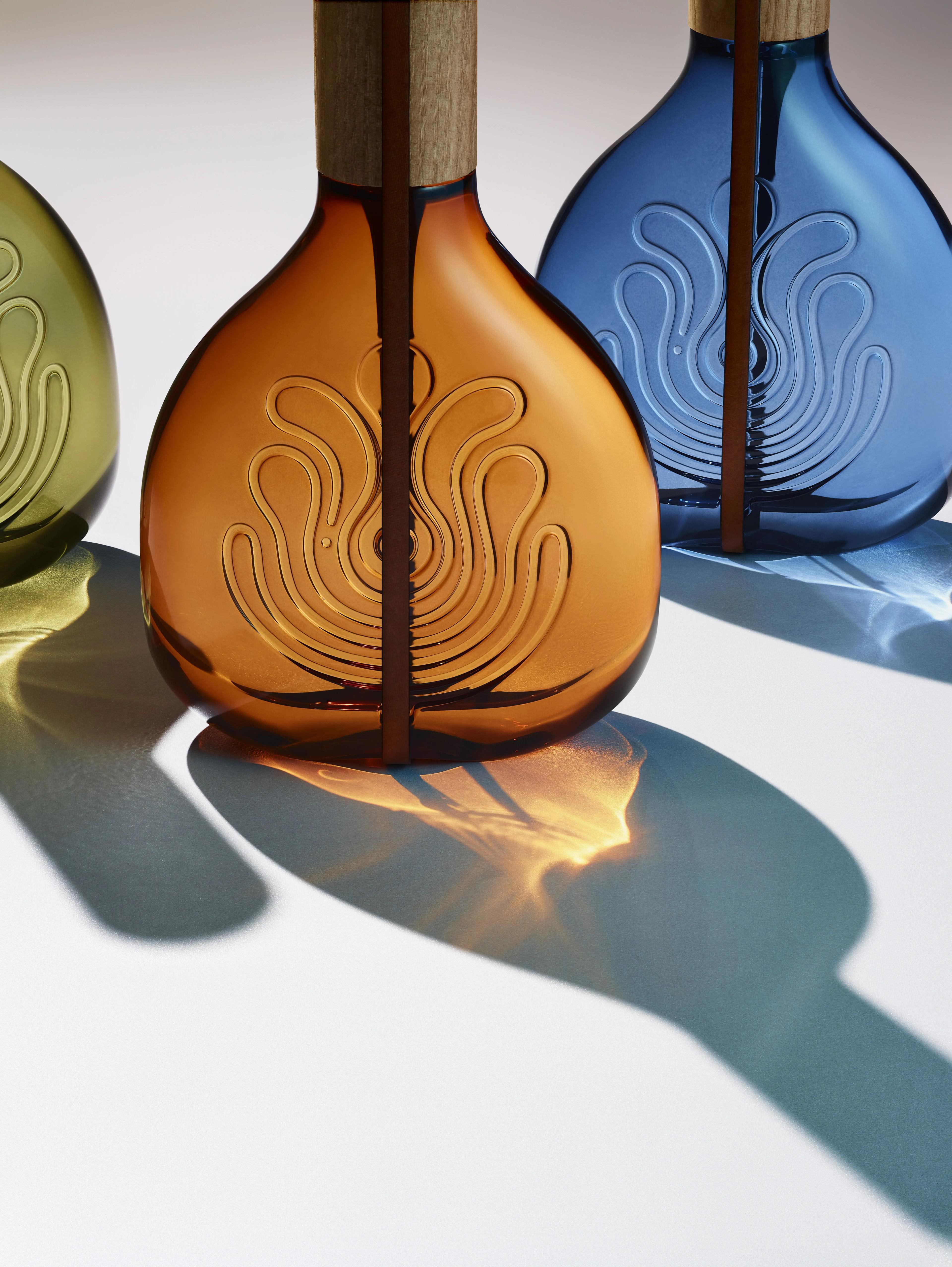
  • Puig Colonias Absolutas fragrance bottles featuring Agua Noble in amber, Agua Lavanda in blue and Agua Brava in green glass.
    The Colonias Absolutas Puig, 2025

    The collection pays tribute to this heritage. Its design reinterprets Ricard’s Barcelona Bottle, preserving its iconic shape and wooden cap, while replacing the original raffia detail with a refined leather string. The bottles now also feature the new Puig logo, designed by M/M Paris.